
The infrastructure for water and wastewater has evolved beyond gravity-based systems. Engineered pumping systems are vital to ensure that water flows safely and efficiently as communities expand and land becomes harder to develop. A well-designed pump station can be used for everything from wastewater control and stormwater management to industrial operations as well as potable water supply.
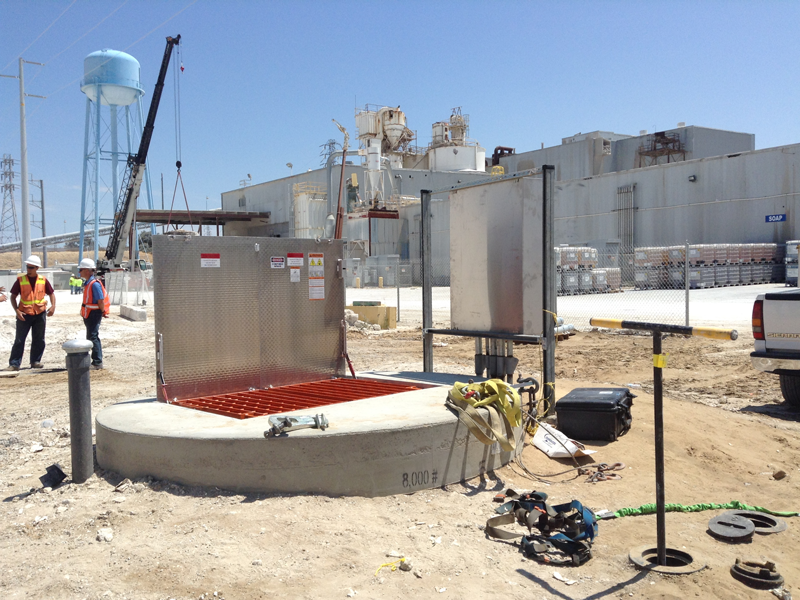
Each pumping project has a unique set of conditions, including elevation changes and flow requirements along with water quality and the need for ownership. By taking these considerations into account during the design phase you will reduce the chance of problems in the long run and ensure that your system will work in the way you intended it to over a long period of time.
The reason why a pumping system for packages should be designed for a specific project
Package pumping systems are developed to provide a complete system, not simply a collection off-the shelf components. Environmental regulations, site conditions, and operational goals affect how a system is designed. Each facility requires various structural designs, techniques for control and configurations of pumps.
Engineers can make better judgments by looking at upfront flow rates, duty-points, and estimated life-cycle costs. This approach minimizes redesigns and avoids costly surprises in construction, and helps align expectations between stakeholders starting from the beginning.
Wastewater Lift Stations in Modern Development
Sewer infrastructure must adapt to changing terrain and service area as urban areas grow. These systems are crucial for areas where gravity flow alone is not enough to meet demand.
Wastewater lift stations need to be able of handling variable flows, handle solids and corrosion resistance, and conform to the regulations. Municipal systems prioritize longevity and easy maintenance while private or industrial systems might place more focus on the ability to adapt and expand. Custom-designed engineering permits pumps, controls and structures to be chosen in accordance with the conditions of operation.
Stormwater Lift Stations for Environmental Protection
Managing stormwater effectively has become increasingly important as development density increases and weather patterns become more unpredictable. A well-designed stormwater lift station helps control runoff, manage detention ponds, and reduce flooding risks. These systems also support environmental protection by directing stormwater to be treated prior to release into natural waters.
Stormwater pumps must work reliably under a range of flow conditions – from moderate rain to intense storms. They are designed with fluctuations in flow rates, seasonal changes and sustainable long-term planning in mind. Flexible material options and pump technology allow systems to adjust as demand changes.
Industrial and Clean Water Pumping Applications
Pump stations do not have to be restricted to use by municipal authorities. Pumping systems for industrial installations are crucial for handling of high temperature fluids and high-pressure applications. They also handle chemicals and oily waste streams. A special understanding of the subject and careful material selection are essential to create designs for these conditions.
Systems for clean water, such as booster stations, are essential to support residential, commercial and municipal water distribution. For the sake of user satisfaction and security, it’s essential to keep a constant pressure and flow. Pump stations for irrigation groundwater extraction, reclaimed or reclaimed and other water features that are large in size need to balance durability with efficiency.
Design integrated from a single source
The management of multiple suppliers of structural, mechanical and electrical parts, in addition to control elements can be a daunting and dangerous. Single-source design and supply simplifies project implementation and improves compatibility. Design teams can rapidly develop practical solutions by leveraging experience from a wide range of different pumping scenarios.
Romtec Utilities uses this integrated strategy for stormwater, wastewater and industrial uses and also for clean water. The projects that benefit from Romtec Utilities managing the entire pumping system including structural housing, engineering and controls are simplified and of consistency in quality.
In the current infrastructure landscape successful pumping relies on systems that are able to adapt to changing conditions, not just assumptions. The design of each pump station is based on a combination of the early evaluation of its performance and the integrated execution to ensure that it provides high-quality performance and meets the requirements of its owner and operator over the course of time.