
A drainage system may seem adequate in normal conditions however a severe storm could reveal all the weaknesses in a property’s infrastructure. Parking lots overflow, detention ponds droop too quickly and access roads are unsafe, and low-lying areas start collecting water with no place to go. In many cases the issue isn’t only rain. It’s that the place lacks the right system to move stormwater effectively when gravity alone isn’t enough.
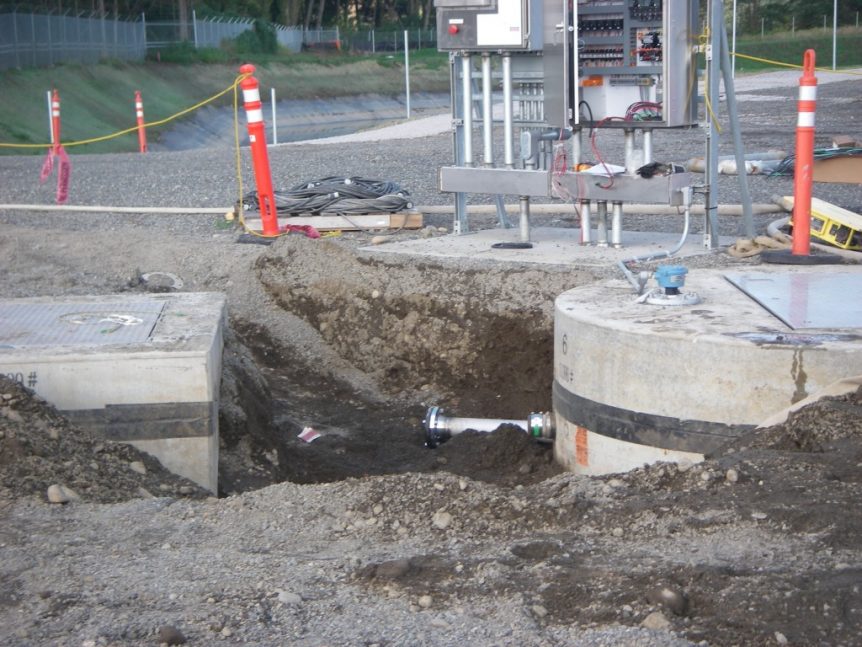
A stormwater lift station becomes essential. These systems collect and push out stormwater from areas where it naturally gathers. They protect structures, roads, utilities and outdoor space. A lift station is necessary for any project that is either residential, commercial, municipal or industrial. It will keep the site functioning after a storm and during a storm.
Stormwater management should be based on the actual location
Each property is different in how it manages runoff. Retail center with large parking areas that are paved behaves differently from a residential subdivision. None of these properties will require the same attention similar to an industrial site or municipal drainage project will. Flow rates, site elevations detention requirements, site elevations, and discharge conditions all shape how a stormwater management program is designed.
Romtec Utilities is not a company that handles stormwater pumping in a typical manner. Each system is crafted according to the pumping scenario of a site that is used for control of flooding, emptying detention ponds, regulating the runoff from a property that is developed or supporting a large municipal drainage network. The best solution is determined by the amount of water needed to be carried, how fast it must move and where.
A stormwater runoff pump station goes further than just a pump in a vault
It is more than the use of high-powered machines to construct an efficient runoff pumping station. It functions as an entire system that integrates structural, electrical, mechanical controls, and other components seamlessly to manage stormwater volumes efficiently and consistently. In order to ensure that the station performs optimally throughout its life important factors like accurate pump sizing (including the design of wet wells) and advanced controls, robust pipes, durable power systems, and real-time monitoring need to be working together.
This level of total system integration is exactly why the best stromwater system designers stand out from the competition. The best designs don’t only address an immediate drainage problem, but they also take an approach that is proactive and long-term. The top engineering practices take into account ease of long-term maintenance, changing future site demands as well as the maximum operating efficiency. The whole system has to be designed to withstand harsh environments and not be based on flawed assumptions.
It is crucial to plan your project carefully, whether you’re handling torrential floods or designing municipal networks featuring high pressure, such as clean water booster pumps stations since system failures are not an option. Romtec Utilities designs stormwater systems using these realities in mind. They offer a variety of pump stations built for various uses. The pumps are accompanied by documentation, training and start-up support to ensure that the owner is in control of the system.
Better planning creates better flood protection
A stormwater pump station that is well-designed can lower flood risks, improve site accessibility, and protect property around it from water destruction. The pump station is also able to increase the resilience of a site by ensuring that the runoff of heavy rainfall is handled effectively and swiftly.
Stormwater infrastructure is easy to ignore until it goes down. A robust stormwater liftstation is most beneficial investment that a property owner or municipal entity can make to manage runoff effectively, instead of passively. A well-constructed stormwater system will keep a site more functional and secure.