
Rarely does a garden that is productive start with costly equipment or an attractive property. It is more likely it starts with the sowing of a few seedlings, watching the results and making better choices for the following season.
That practical approach is central to The Sproutstead, an informational resource created for people who want to grow food, improve their soil, preserve what they harvest, and develop useful self-sufficiency skills without getting buried in technical language.
The garden you are in has its own set of rules
The fact that gardens are not interchangeable is just one of the reasons that gardening tips can be confusing. The same tomato cultivar that’s planted in a raised garden with sun in one place could act very differently than the exact tomato variety planted in the dense, rocky soil in another area.
To be successful at gardening and homesteading, it is necessary to go beyond follow the instructions. Knowing the conditions you live in is important for those who garden. This includes sunlight and soil conditions, temperatures, rainfall, the growing season, the available space, and how much time you have to devote to maintaining your garden.
The Sproutstead explains these variables to help gardeners adapt their the gardening skills they have learned to their home, instead of trying to recreate someone else’s setting.
Under the surface, vegetable gardening begins
People are naturally drawn to plants that they can see, but the majority of a garden’s success is determined underground.
A healthy soil requires a balance between drainage, moisture retention, organic matter, and nutrients. Compost is a great way to improve soil with time while mulching can help preserve water and deter weeds. Paying attention to these fundamentals can ease vegetable gardening as healthier soil conditions provide plants a stronger foundation at the beginning.
Also, planning is important. The spacing of plants, the timing of crops along with companion planting and the timing of the seasons can affect the efficiency of a gardener’s use of the limited space.
Tomatoes can be a great lesson in Paying Attention
You’re likely to hear ten distinct stories from ten gardeners when you ask them questions about tomatoes. They are among the most sought-after garden crops and demonstrate how different conditions for growing can collaborate.
If you’re curious about how to grow tomatoes, look beyond the planter’s depths and fertilizer schedules. Tomatoes require adequate sunshine, continuous watering, suitable ground space, and adequate support when they mature. It is vital to choose the appropriate tomato cultivar due to the conditions of growth availability, the area available, and the intended use can all affect the type of tomato that is best suited for your needs.
If a plant has plenty of leaves, but few fruits, adding additional fertilizers to the soil may not be enough. The issue could be caused by excessive nitrogen levels, high temperatures, inadequate sunlight or even problems with pollination. It is more beneficial to look at the entire plant rather than treating each symptom in the same way.
The Harvest is Only Part of the Story
If half of the vegetables go to waste before being consumed and eaten, it makes growing twenty pounds of veggies seem less successful. After harvest, a well-thought out approach to home-growing will consider the whole process.
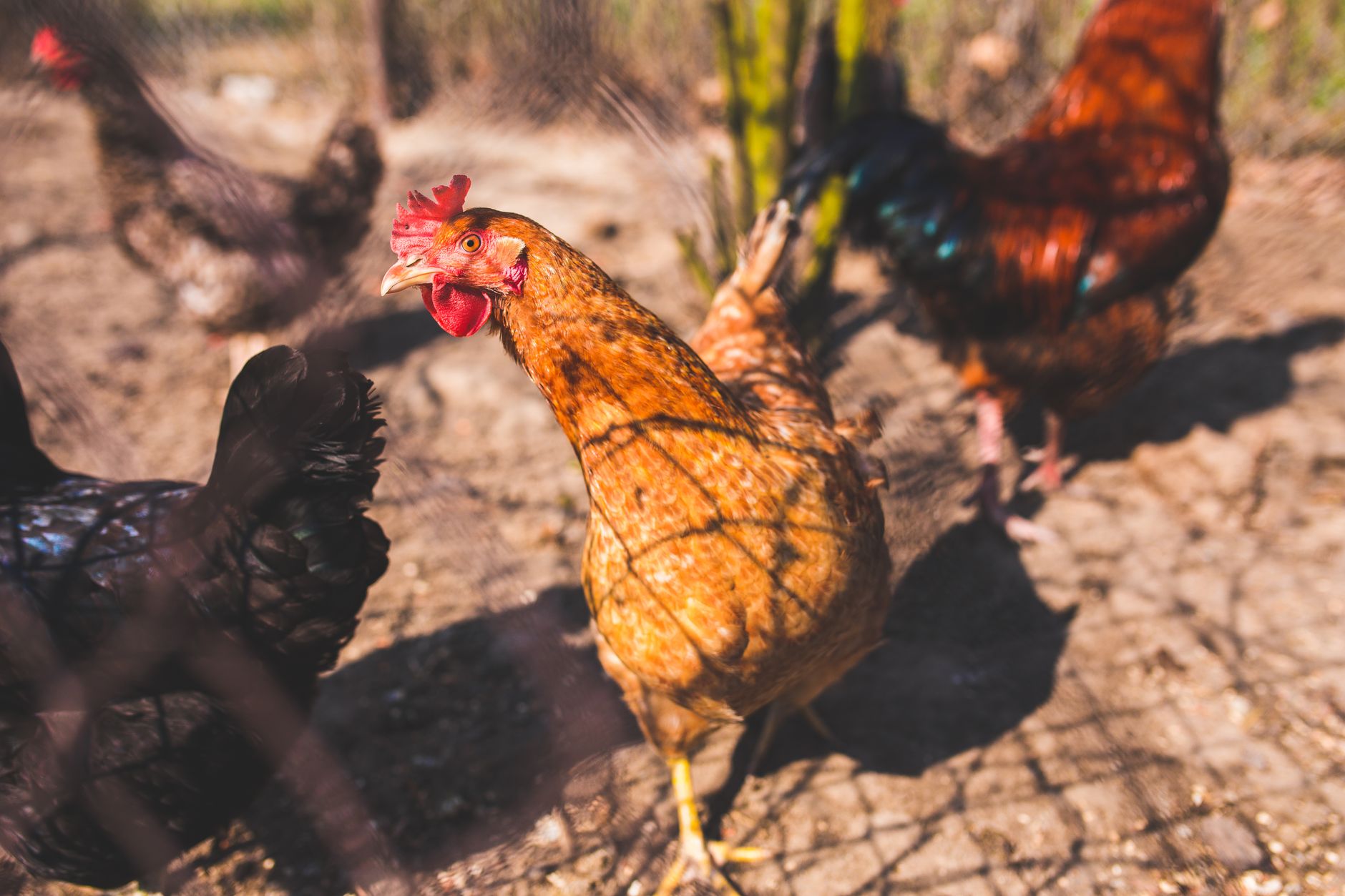
Canning, freezing, drying, sharing surplus food, preserving suitable seeds, and composting inevitably discarded food scraps can help families get more value from the produce they cultivate. In addition, backyard chickens, composting, fruit trees and herb gardens can all be added to the system of your home.
There is no need to implement all homesteading practices at once. It is important to continue your homesteading journey whether it’s growing lettuce, creating compost piles or saving the first batch of tomatoes.
Knowledge is Power: The best Gardeners are Developed by Using practical information
It’s impossible to ensure perfect plants using the most useful gardening information. As the weather changes as do pests, seeds may fail, and advice will vary depending on the region.
The Sproutstead views these realities as part of learning rather than exceptions to it. By linking topics like soil, vegetables, seeds planting, pests and preservation backyard chickens and self-sufficiency, readers gradually comprehend not only what they should do in the garden, but also why it does what it does.
A productive garden for your home is typically built in similar to how plants grow over time, season after season, starting from a solid base.