
Vaping has now become a quiet epidemic in schools, as students have been using electronic cigarettes in bathrooms or in corners that are not visible to the public. This poses a major risk to safety and health. Vape detectors can be a fantastic way for schools to take back the control. They offer a discreet yet sophisticated solution. Triton Sensors vape detectors are a shining example of innovation. They offer security, precision and privacy with multiple threat detection capabilities to provide safer school environments.
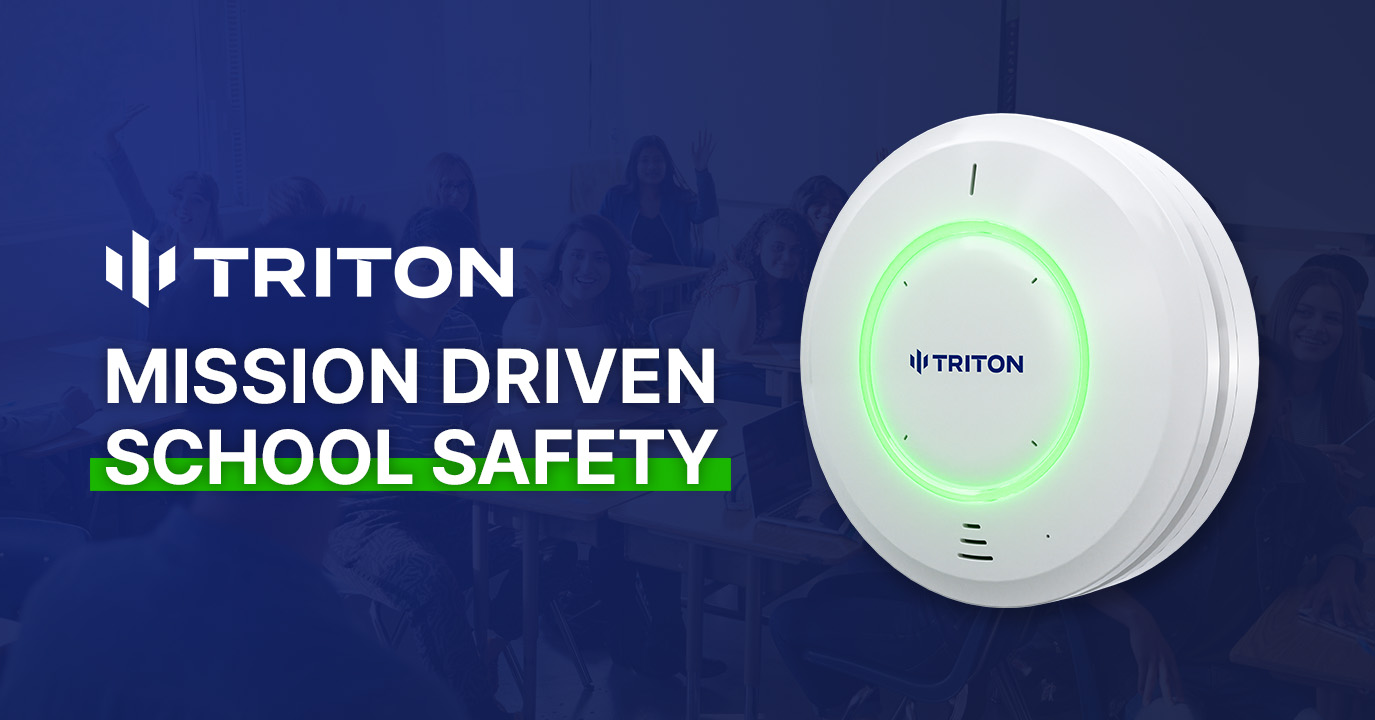
Image credit: tritonsensors.com
The Triton vape smoke detector unlike smoke alarms that are conventional, is specifically designed to recognize the distinct chemical signatures in nicotine and THC aerosols. This eliminates false positives due to steam or particles that are not harmful. This level of accuracy is crucial in school settings in which disruptions are the norm. Vape detector goes beyond the use of vapes, detecting those who are loitering or overcrowding as well as critical threats like shootings. They are covered by a 10-year warranty, and are an excellent investment for schools that have to manage tight budgets.
What makes vape detectors for schools apart is their ability to turn reactive discipline into proactive prevention. They are operational all hours of the day and are able to monitor areas that pose a risk like bathrooms or locker rooms. They send instant alerts, via an app, to the school’s administrators in the event of incidents. This real-time capability empowers schools to respond quickly even before things get out of control. The data from Triton reveals a shocking truth: every three minutes, students are recognized as vaping by their system, highlighting the urgency of these technologies.
A standout feature of vape detector is its privacy-respecting occupancy monitoring. Using patent-pending technology, it tracks loitering and crowding without cameras or microphones, ensuring that students are in complete compliance with their privacy rights. Through the Triton Cloud Dashboard, schools can access intuitive visualisations of patterns of occupancy, assisting them find areas that are problematic without using invasive techniques. This is particularly helpful in environments where oversight can be challenging, fostering safety while respecting the boundaries.
The dashboard’s hotspot analysis goes this further, mapping out the times and locations where vaping incidents have their highest levels. This method of analysis based on data allows schools to make the most of their personnel or resources, maximizing their response. Triton’s tools for reporting compile evidence of the vaping practices that allow administrators to provide parents and school boards clear, quantifiable insight. The vape detectors at schools show dramatic decreases in the amount of vaping that occur after a period of five weeks. The effectiveness of the system’s intelligence and deterrent effect is apparent.
It also acts as a guardian for broader safety issues. The device can help prevent that can be problematic in schools, by detecting specific words that suggest bullying or aggression. Its ability to sense shots adds an important layer of security in this era of growing security worries. This multifaceted approach ensures that schools are not simply tackling smoking, they’re creating the safety net.
Triton is still popular due to its price. Despite its advanced features, the software is priced to meet the budgets of schools, offering a cost-effective alternative to hiring extra personnel or installing intrusive surveillance. Because fewer vaping accidents or related incidents are reported, there are long-term benefits.
Vape detectors are a beacon of hope in an age where smoking marijuana poses challenges to schools. These detectors blend the latest technology with security and convenience to allow teachers to focus on teaching and not policing. By addressing not only vaping, but also loitering violent behavior, and other risk factors Triton’s vape detectors designed for schools are redefining the concept of creating an environment for education that is safe. The sensors are designed to assist schools remain on top of the constantly changing threats.