
One buyer really likes the shade, yet after a few hours the cap becomes a source of discomfort. For another wearer, the appeal of the natural-looking hairline comes with a drawback: a twenty-minute lace adjustment at the start of each day is more than they want. Someone else buys a beautiful unit, only to discover that the density feels heavier than expected.
To a wig business, these observations represent more than isolated customer reactions. They identify opportunities to create wigs customers genuinely like to wear.
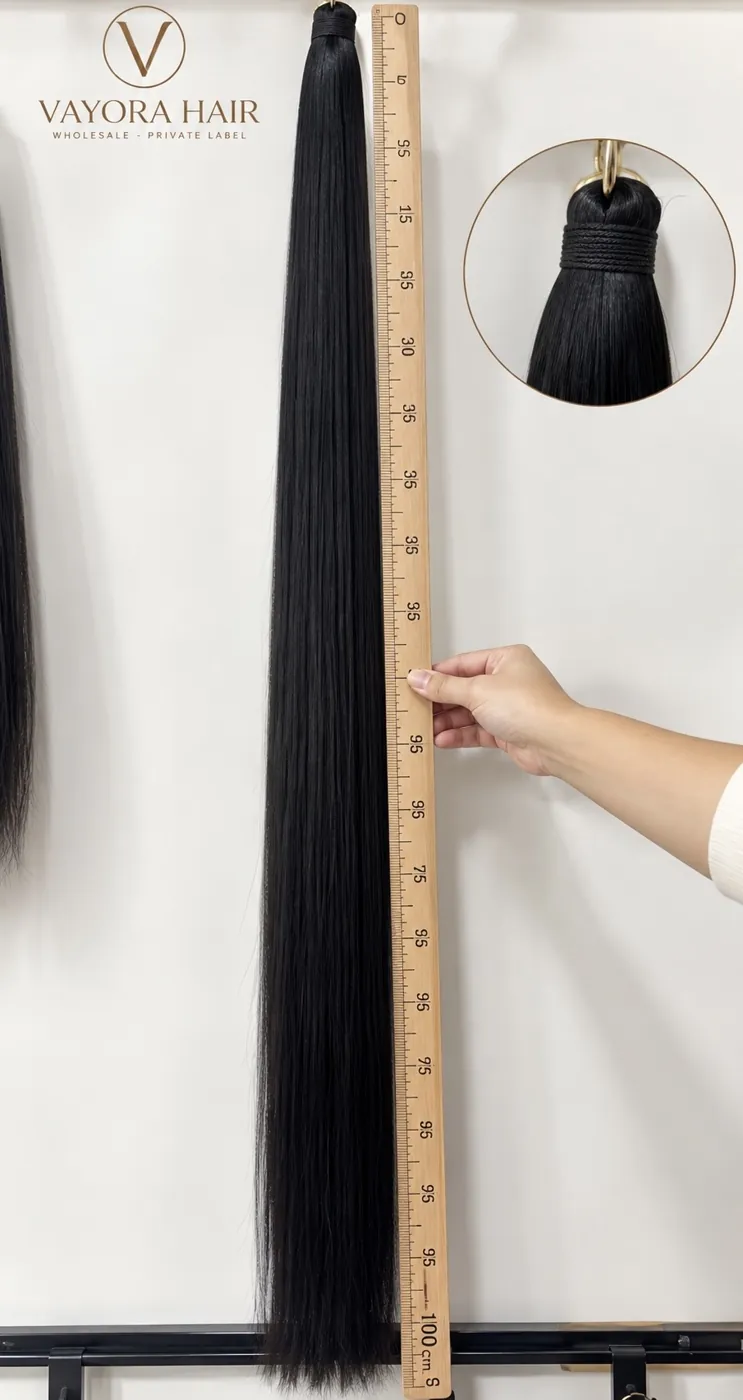
Image credit: vayorahair.com
Building a successful collection involves more than chasing a viral hairstyle. They’re built around understanding what customers want to experience when they put a wig on.
What Customer Feedback Can Reveal
Customers rarely describe their needs using manufacturing terminology. They talk about comfort, convenience, appearance, and confidence. When a buyer asks for an easier start to the day, a glueless design may be worth exploring. Feedback about a hairline that does not look natural can prompt a review of lace appearance, knot treatment, density, or parting design.
The human hair wig manufacturer China brands select should translate such practical concerns into specific, measurable product requirements.
Rather than ordering a 22-inch body-wave wig alone, a buyer can outline the experience intended for wearers, cap fit, lace construction, the look of the hairline, and finished weight. With that information, developers can understand the intended outcome more clearly.
Make Your Private Label Collection Recognizable
A common mistake for developing wig brands is to stock their catalogs according to whatever is popular at the time. The result may be a product lineup that looks much like those of competing stores.
A collaborative relationship with a private label wig manufacturer China retailers choose can help a brand shape a consistent product identity. The identity might be expressed through a lightweight everyday collection, a premium natural-hairline line, or wigs designed for immediate wear intended for customers who want to keep preparation to a minimum. The shared customer commitment should guide texture, length, color, density, cap construction, and packaging. A recognizable product range can encourage repeat visits for reasons other than a short-term promotion.
Glueless Construction Go Beyond a Name
Although the word “glueless” suggests simplicity, the experience of wearing the wig depends on multiple construction choices. Everything from cap sizing and adjustment features to attachment components, lace preparation, and hairline design affects how securely and comfortably the unit fits.
A glueless wig manufacturer China buyers choose should help clarify these requirements before production begins. An easy-to-manage density, pre-cut lace, and simple adjustment features may be particularly important when the intended customers are inexperienced wig users. A professional stylist’s collection might require different customization options. It would be a mistake to assume that one design direction is automatically preferable. Each is intended for a different customer.
Product Sampling and Brand Reputation
Even a detailed photograph provides only part of the information about a wig. A buyer should assess how the cap fits and the hair moves, check the color against expectations, and examine whether the finished construction matches the approved design. Reviewing samples allows buyers to spot differences before ordering in greater quantities.
Repeat production makes documented specifications and quality-control procedures especially valuable for a wholesale human hair wigs supplier. The success of the first batch may be difficult to repeat without well-established references.
Growing a Wig Collection With a Clear Direction
Through product development, private label services, sampling, specification control, and repeat-production workflows, VAYORA works with B2B wig brands, retailers, and distributors. Its approach connects customer expectations with the physical details that determine how a wig looks, fits, and feels.
Before expanding a catalog, brands should examine customer feedback, identify their strongest product opportunities, and establish clear approval standards. More styles are not necessarily what the next successful collection requires. It may require fewer compromises in the styles customers already want.